Image by WikiMedia Commons CC BY-SA 3.0
The World Cup is much more than a fashion parade, however, when national teams release their kits in the lead-up the tournament, it always creates a tangible buzz and feeds into the build-up’s overall excitement.
Some of the World Cup’s most iconic, classic kits donned by teams down through the years have been associated with moments of on-pitch magic and dazzling skill, making the jerseys all the more memorable.
In this rundown, we take a chronological look back at some of the most iconic World Cup kits ever, as well as a couple of the releases that have been attracting the most attention ahead of USA 2026.
Brazil (1982)
Not many people know this, but Brazil used to play in white, however, their traumatic World Cup final loss to Uruguay at the Maracana in 1950 triggered a rethink, with the Selecao donning their famous yellow colours ever since.
Today, Brazil’s yellow-gold attire has become one of sport’s most recognisable colours, however, their sartorial highlight was arguably their 1982 addition.
The South Americans didn’t win the World Cup that year, however, their yellow shirt with simple green trim and tight light blue shorts was worn with style by a dashing squad of stars, which included the likes of Socrates and Zico.
England (1990)
There was quite a selection of memorable kits in Italia 90, though English fans look back with particular fondness at their entry from almost 40 years ago.
Manufactured by Umbro, this piece of kit had the Three Lions’ famed white base colour, though there was a subtle design within that caught the light beautifully.
The navy cuff trim, V-neck and relatively wide collar set the piece off however, for the kit worn by cult heroes like Paul Gascoigne, Bryan Robson and Gary Lineker. Indeed, it was the same shirt that Gazza used to dry his tears after England’s semi-final exit.
This was the summer of World in Motion and all that came with it, making 1990 a particular iconic year for English football and their World Cup kit played its part there.
USA (1994)
Described as ostentatious by some and typically “loud” by others, host nation USA were definitely hard to miss when they took to the pitch in their denim-like away kit in 1994.
This Adidas entry featured sweeping stars from the top left shoulder all the way down to the rip hip area, in a tribute to the American flag. Initially, the plan was to roll this one out when the USA played as the “away” team, however, they ended up wearing it in all three of their group games.
The hosts lost all three matches, though that starry kit, worn by cult heroes like Alexi Lalas, Cobi Jones and Earnie Stewart, made them a memorable outfit.
🇺🇸👖 The USA 1994 "Denim" Remake Kit launches tomorrow
— Footy Headlines (@Footy_Headlines) March 9, 2026
No USA crest due to Nike deal pic.twitter.com/eAB5nS5cX4
Croatia (1998)
With a side packed with silky technicians like Robert Jarni, Zvonimir Boban, Robert Prosinecki and Davor Suker, Croatia became many supporters’ “second team” when they dazzled and danced their way to a third-place finish at France ’98.
Their eye-catching red-and-white checkerboard Lotto shirt only added to Croatia’s appeal. This was also the nation’s first appearance at a World Cup following the dissolution of former Yugoslavia, adding further to the team’s overall mystique.
The shirt was inspired by the Croatian flag, with the manufacturer (Lotto), national crest and player shirt number stacked centrally for added flair. Croatia were always considered dark horses in FIFA World Cup betting markets before the tournament, but exceeded expectations.
🇭🇷 The Croatia kits at the 1998 #WorldCup were absolute 🔥
— FIFA World Cup (@FIFAWorldCup) January 1, 2020
🥳 Happy birthday, Davor Suker! pic.twitter.com/K0uKp03WdP
Mexico (1998)
The 1998 World Cup in France was a catwalk of unusual shirts in general, none more so than the kit Mexico brought across the Atlantic Ocean.
The Mexican national team have always been free thinkers in terms of aesthetics, with loud colours and complicated patterns the norm, however their shirts in 98 were especially flashy.
Designed by ABA Sport, the 1998 edition had Mexico’s traditional green base colours, however, there was a toned, textured Aztec-inspired pattern all over it, in a nod to the country’s proud past.
Their goalkeeper kit, which was designed by their flamboyant number one, Jorge Campos, was just as spectacular and Mexico wore their colours with pride before their Round of 16 exit at the hands of Germany.
Mexico's '98 World Cup home shirt is one of the greatest international shirts of all-time
— Classic Football Shirts (@classicshirts) July 9, 2020
This design was worn in their opening game against South Korea and in the second round against Germany. The shirt was also worn in the other group stage matches by goalkeeper Campos pic.twitter.com/F4ywIft7EI
Cameroon (2002)
Cameroon debuted this Puma kit at the Africa Cup of Nations in Mail in early 2002 before sticking with it for the co-hosted 2002 World Cup in Japan and South Korea.
The Indomitable Lions were crowned as African champions while wearing their sleeveless green garments and chose to continue wearing their controversial kit in the Far East, much to the annoyance of FIFA.
In fact, football’s governing body forced Samuel Eto’o, Lauren, Rigobert Song and the rest of the Cameroon squad to wear adjusted kits for the rest of the World Cup, with sleeves stitched back on. The Cameroon eventually finished third in their group behind Germany and the Republic of Ireland.
⏪ In 2002 Cameroon wore a sleeveless kit, and won the African Cup of Nations wearing it 🎽
— B/R Football (@brfootball) January 26, 2021
Later that summer FIFA refused to let them wear it at the World Cup and they had to improvise sleeves 👕 pic.twitter.com/H4deyXnrA3
Nigeria (2018)
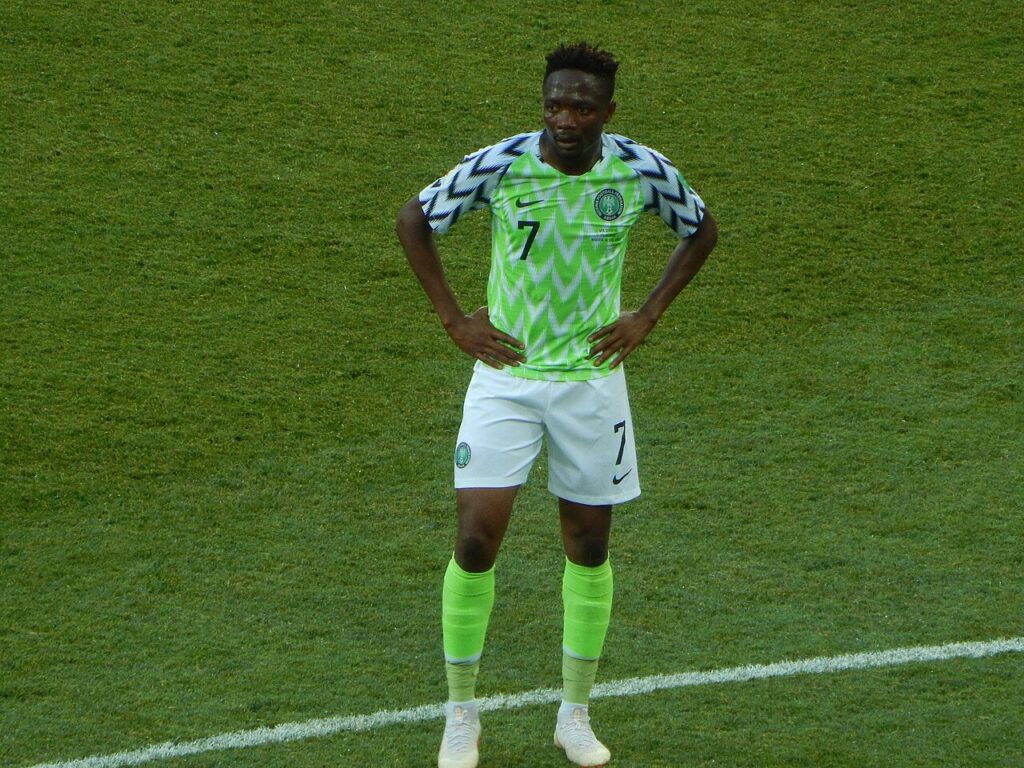
Released as part of Nike’s hugely popular Nigeria Niaja Collection, the Super Eagles’ home kit at Russia 2018 was a monumental commercial success as fans and fashionistas across the world scrambled to get their hands on it.
Incredibly, there were more than three million pre-orders for the eye-catching design, which featured feathered chevron patterns in green and white, with black and white sleeves.
Sadly, the commercial side of things performed much better than the team wearing it, and Nigeria crashed out of the tournament at the Group Stage, following a disappointing campaign.
Never forget this Nigeria kit at the 2018 World Cup 😍💚 pic.twitter.com/HZ3yQYQewW
— ESPN FC (@ESPNFC) November 9, 2022
Curaçao (2026)
International minnows, Curaçao, will appear at a World Cup for the first time in their history in 2026 and the island nation will arrive stateside in style, with a yellow away shirt that has the potential to become an iconic number.
A glance at any set of pre World Cup odds suggests that Curaçao’s adventure in the USA is likely to be a short one, with the Blue Wave placed in a difficult group alongside Germany, Ivory Coast and Ecuador, however Curaçao might be the best-dressed team in the section.
Their kit, designed by Adidas, draws inspiration from the colourful buildings in Punda and Otorbanda, both of which are UNESCO World Heritage sites. The yellow base colour with blue trims make for a simple, classy aesthetic, while the multicoloured “Curaçao” blazed across the back makes for beautiful contrast.
🚨 𝗢𝗙𝗙𝗜𝗖𝗜𝗘𝗟 ! 𝗔𝗗𝗜𝗗𝗔𝗦 𝗗𝗘́𝗩𝗢𝗜𝗟𝗘 𝗟𝗘 𝗡𝗢𝗨𝗩𝗘𝗔𝗨 𝗠𝗔𝗜𝗟𝗟𝗢𝗧 𝗘𝗫𝗧𝗘́𝗥𝗜𝗘𝗨𝗥 𝗗𝗘 𝗖𝗨𝗥𝗔𝗖𝗔𝗢 ! 🇨🇼💛
— BeFootball (@_BeFootball) March 20, 2026
Cette petite île de 160 000 habitants va participer à sa première Coupe du Monde. 🌍🤩
📸 @adidasfootball pic.twitter.com/RmgtqrRBQ2
Norway (2026)
Norway return to the World Cup stage this year for the first time since 1998 and their home kit, which is designed by Nike, is a real show stopper.
This one looks as though a Norwegian flag was draped over the wearer and adjusted to fit, while a Urnes-style Viking graphic is hidden in the blue stripes that make up the cross.
Norway’s kit is dripping with national pride and wearing it should give the likes of Erling Haaland extra power to harness, not that the Manchester City superstar needs it.
🇳🇴 Norway unleashed their Viking powers in their 2026 World Cup kits by Nike 🤩
— Soccer Jersey News (@soccerjerseynws) March 19, 2026
The home jersey embraces the Norwegian flag, adding a subtle pattern inspired by Viking art seen in the Urnes Stave Church.
For the away shirt, the choice was a fearless blackout design, channeling… pic.twitter.com/Nb2PvH2l3c